
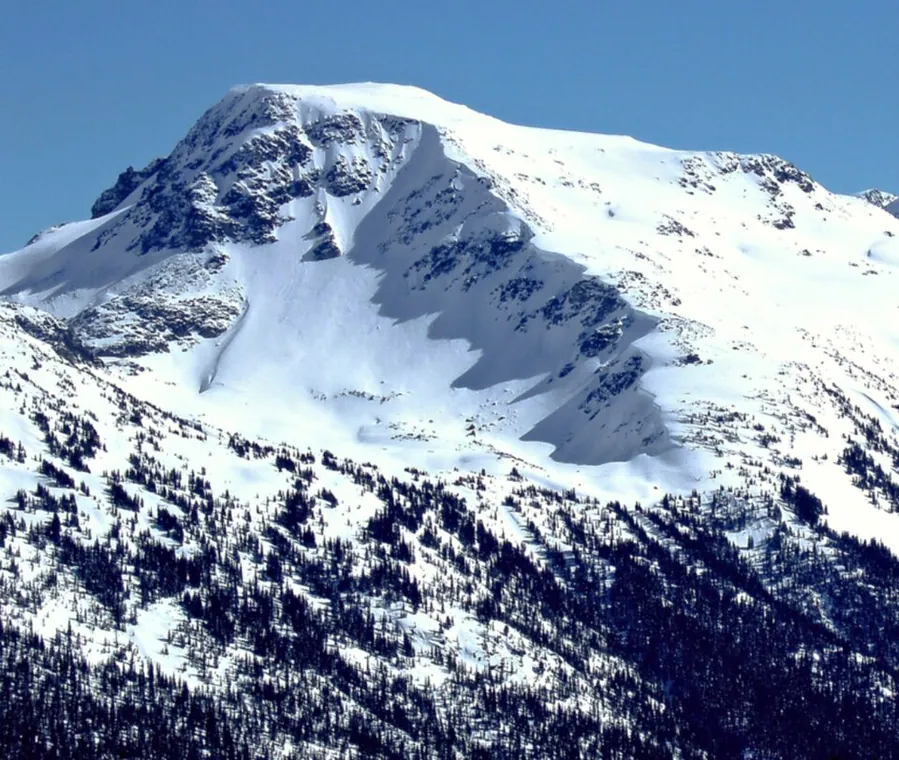
Start with the forecast elevation
Find the elevation beside the forecast. Whistler Blackcomb publishes separate observation points from the village up to Whistler Peak. A temperature at the village can tell a different story from the one at the top lift. Compare the forecast freezing level with your starting lift and chosen terrain. The transition between rain and snow can vary around that level.
Read the time window before the total
Ten centimetres forecast by tomorrow evening could arrive after the lifts close. Check each day in resort-local time and look at the hourly breakdown if the provider supplies one. Yesterday’s reported snow, the coming day’s forecast and the full seven-day total answer separate questions. Recheck later-week forecasts as your trip approaches.
Pair snowfall with wind and visibility
Read the gusts and cloud outlook for the part of the mountain you want. A snowy upper mountain may have limited visibility while the valley is clearer. Lift operations are an operator decision. Read the official morning status before relying on a summit connection and keep a lower-elevation alternative on the map.