
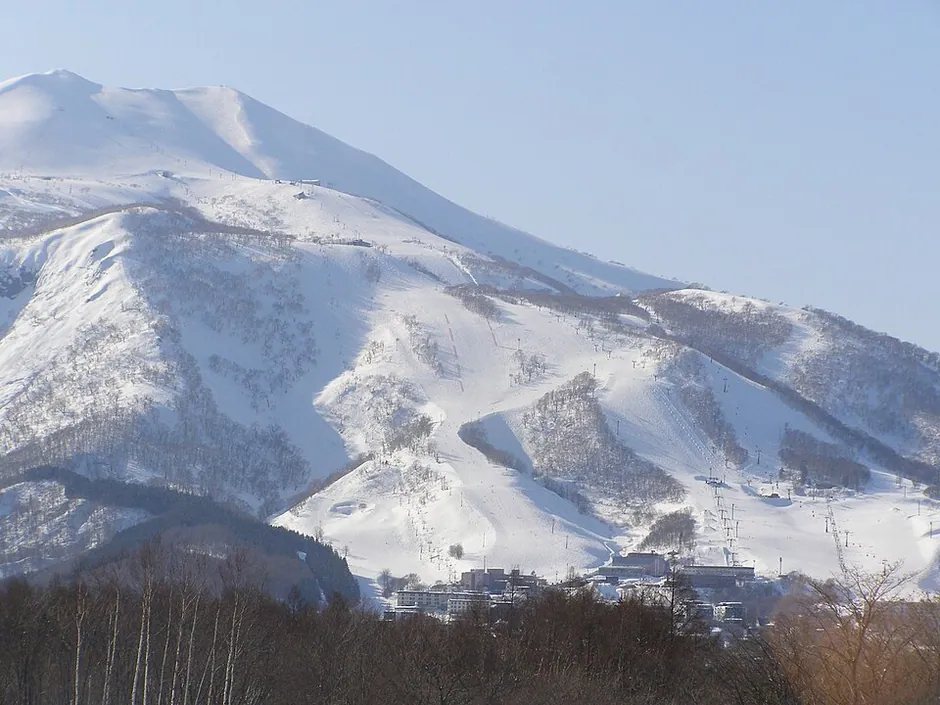
December: choose the base before the flight
Hokkaido and the higher mountains around Nagano are sensible early-season starting points. Japan’s national tourism organisation describes mid-to-late December skiing at some resorts. Compare the terrain actually open at your intended base, especially if lessons require a particular beginner area or your accommodation depends on a lift link.
January and February: choose a storm window
JNTO identifies January and February as the peak of the Japanese ski season. In Niseko, compare observations at your village with forecast snow and wind higher on the mountain. In Hakuba, read an individual area report such as Happo-One or Tsugaike. The valley contains several mountains, and their lift status can differ on the same morning.
March: compare what happened overnight
Keep Niseko and Hakuba in the running. Look at the overnight temperature, morning surface report and the elevation of any new snow. A colder morning after a storm and a sunny afternoon on groomed pistes can produce quite different ski days at the same resort. Choose your start time and sector accordingly.
April and May: book the operating lift
Consult the closing date of the exact Japanese area you intend to ski. Niseko United publishes separate schedules for its four resorts. For an unusual late-season trip, Gassan in Yamagata typically begins its season around April, as many other areas wind down. Check its operator’s announced opening before arranging transport.